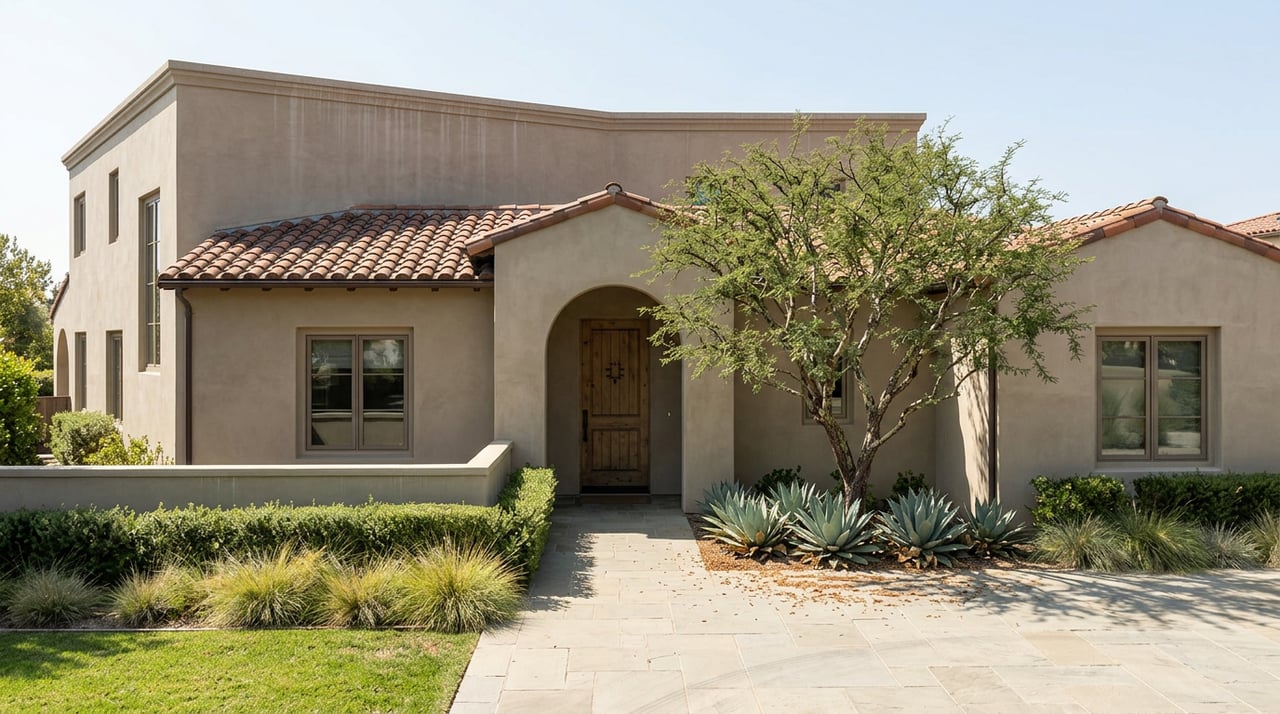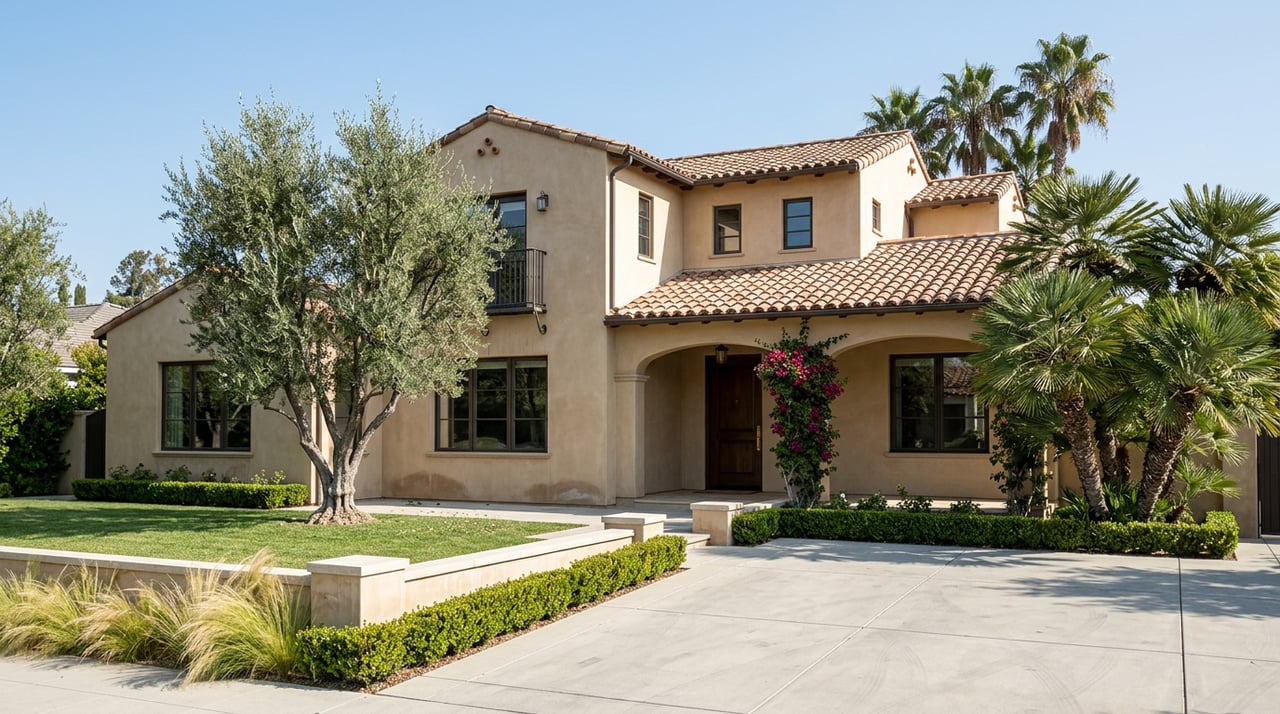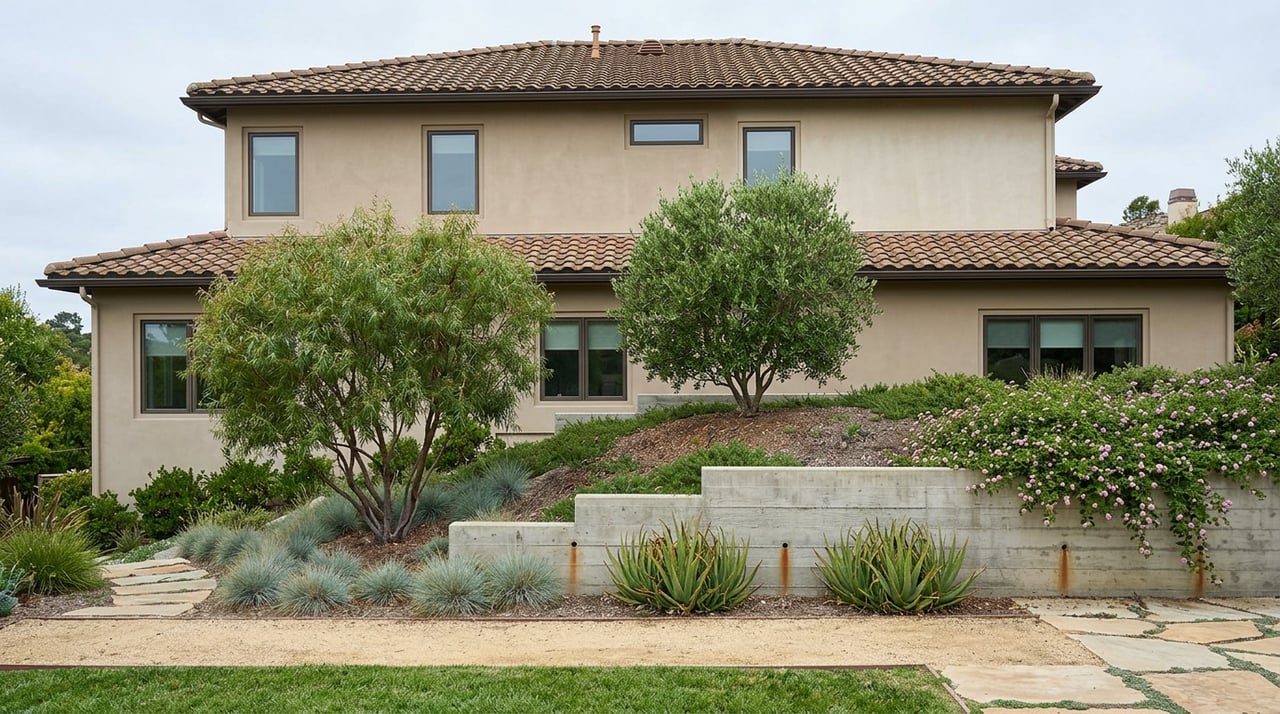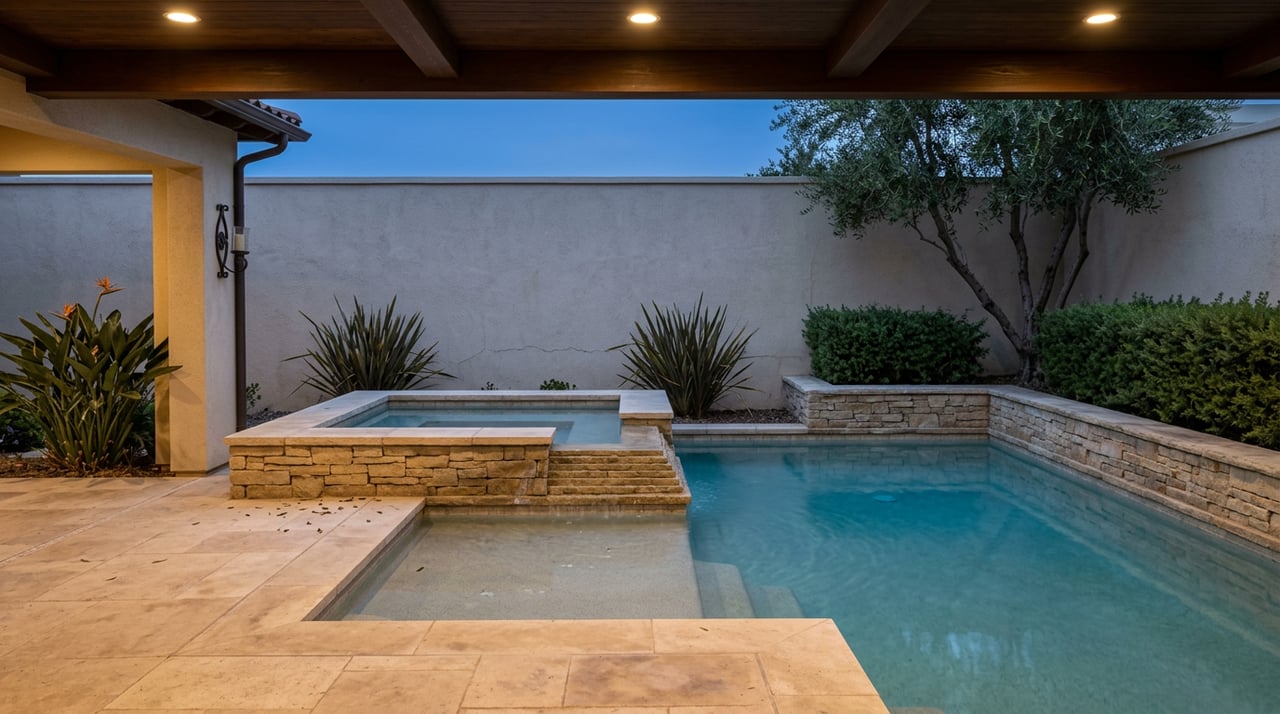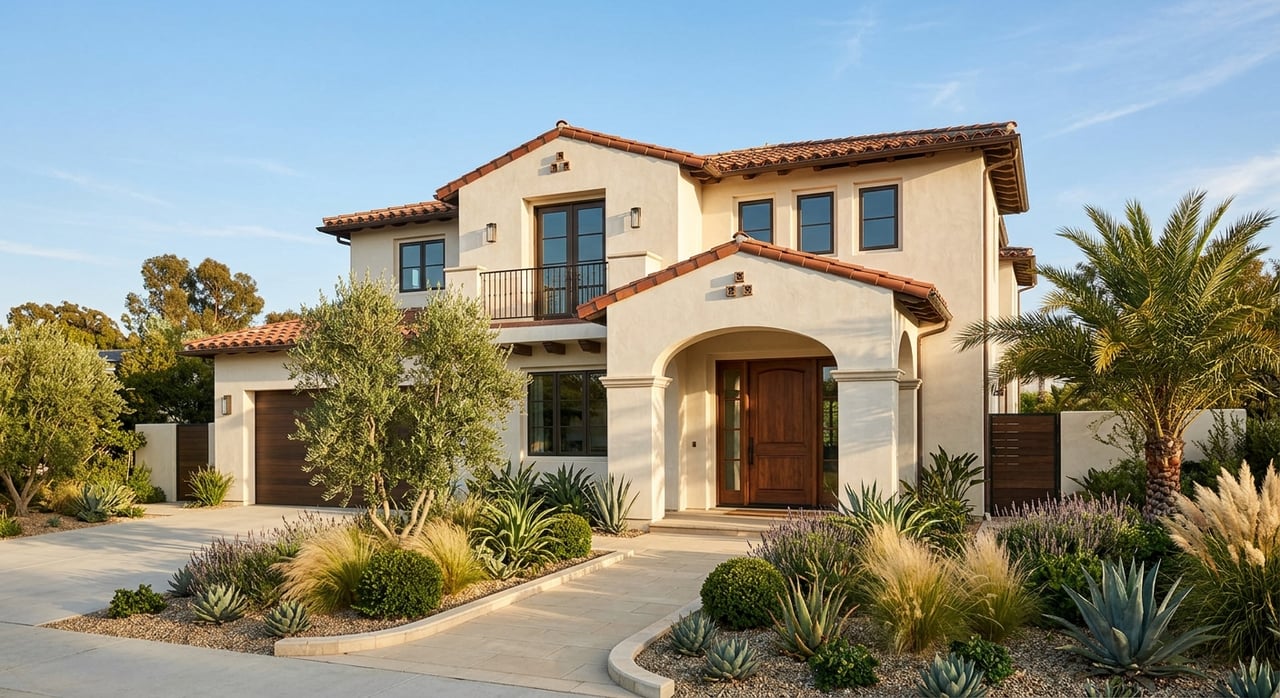
If you are thinking about buying or converting a home into a rental in Ladera Ranch, one detail matters right away: this is not a one-size-fits-all market. The community offers a highly planned lifestyle, strong neighborhood identity, and extensive amenities, but it also comes with layers of HOA rules, access procedures, and budgeting items that can affect your numbers. If you want a practical look at how single-family rentals work here, this guide will help you think through the basics before you make a move. Let’s dive in.
Why Ladera Ranch draws long-term renters
Ladera Ranch is a 4,000-acre master-planned community in south Orange County organized into six villages and three districts. Official community materials highlight a broad amenity network that includes clubhouses, pools, trails, parks, splash pads, a skatepark, dog park, pickleball, tennis, volleyball, basketball, a community garden, a community farm, and reservable workspace.
For a rental owner, that matters because the appeal is not just the house itself. Many renters are also looking at the broader day-to-day experience, including outdoor space, resident amenities, and the feel of a planned community. In Ladera Ranch, the value story is often about lifestyle consistency and neighborhood identity rather than discount pricing.
Community messaging also emphasizes a small-town feel, pet-friendly parks, clubs, groups, and walkability in certain areas to trails, parks, and other local features. That suggests the area may appeal to households looking for a stable, longer-term rental option in a suburban setting. It is best to treat that as a practical market inference from the community’s positioning, not as a guaranteed demand metric.
Why village and tract matter
One of the biggest mistakes investors make is treating Ladera Ranch like a single subdivision. The original planning concept included a mix of housing products across villages, including single-family homes, townhomes, stacked condominiums, rental apartments, and live/work units.
That mix means your experience as an owner can vary by location, tract, and association structure. A single-family home in one part of Ladera Ranch may have a different fee load, amenity access pattern, or leasing practicalities than a similar-looking home elsewhere in the community.
If you are comparing opportunities, focus on the property’s exact village, tract, HOA obligations, and any special access requirements. In Ladera Ranch, the micro-location often matters more than buyers expect.
HOA rules owners need to understand
In Ladera Ranch, community guidelines apply not just to owners, but also to residents, tenants, guests, and invitees. That is important because tenant rule violations can still become your problem as the owner.
Official guidelines state that owners are responsible for acquainting tenants with the governing documents. Penalties for tenant violations are assessed against the owner or member, and assessment responsibility cannot be delegated to tenants.
In plain terms, you should not assume a signed lease solves compliance issues. If your tenant breaks a community rule, the HOA can look to you for enforcement and costs.
Access cards and amenity use
Amenity access is a practical leasing issue in Ladera Ranch. Each property receives two access cards at no cost, and tenants can receive cards only after the membership application is completed and the legal owner signs to transfer membership privileges.
The guidelines also say each tenant must be listed on the lease to obtain a facility access card. If you are marketing a home based on pools, clubhouses, or other resident amenities, you need to understand this process in advance so there are no surprises at move-in.
Covenant Hills adds another layer
If the property is in Covenant Hills, there are added gate-access steps. New homeowners need gate paperwork, and approved tenants listed on the lease can receive transponders.
That does not make leasing difficult, but it does mean your timeline and paperwork need to be organized. For investors, details like this can affect onboarding and tenant expectations.
Rule enforcement is real
The HOA can enforce rules through warnings, fines, access restrictions, or other remedies if owners, tenants, or guests violate the guidelines. The rules also regulate common-area events and vendors and allow the association to restrict party rentals or activities that may damage property or disturb neighbors.
For single-family rental owners, this supports a simple takeaway: clear lease terms and strong tenant communication matter. You want renters who understand that community standards are part of living in Ladera Ranch.
Renovation plans may need approval
If you plan to improve a property before leasing it, do not assume exterior updates are purely your choice. Ladera Ranch Aesthetic Standards require ARC approval before alterations or additions are made.
Those standards cover items such as paint colors, patio covers, fences, landscaping, and other exterior improvements. So if your rental strategy includes refreshing curb appeal, adding shade structures, or changing exterior finishes, approval timing should be part of your plan.
This is especially relevant for owners converting a former primary residence into a rental. A quick pre-lease upgrade can turn into a longer process if the work touches areas governed by aesthetic standards.
Build your rental budget carefully
A good Ladera Ranch rental analysis needs to go beyond mortgage math. Planned-community ownership often includes recurring costs that can reshape your monthly cash flow.
A practical checklist for small investors and owners converting a home into a rental includes:
- Mortgage or debt service
- HOA dues and assessments
- Property taxes
- Mello-Roos or CFD special taxes
- Insurance
- Maintenance and repairs
- Vacancy reserves
- Leasing or management fees
- Utilities, if owner-paid
- Tax and compliance support
This framework aligns with the IRS guidance on common rental expenses and local Orange County tax considerations. It also reflects the practical realities of owning in a master-planned community.
Do not overlook Mello-Roos
In Orange County, budgeting should include parcel-specific Mello-Roos or CFD charges where applicable. The county’s Mello-Roos guidance states that these special taxes are billed on property tax bills, and the county tax ledger shows multiple Ladera Ranch CFD entries.
That means two homes with similar prices can still carry different ownership costs. Before you buy, make sure you understand the full property tax picture, not just the base tax estimate.
Remember the Homeowners’ Exemption change
If you are converting an owner-occupied home into a rental, there is a small but real tax change to note. The Orange County Assessor states that the Homeowners’ Exemption saves at least $70 per year and must be terminated when the owner moves out.
This will not make or break an investment decision, but it is one more line item that changes when a primary residence becomes a rental. Good underwriting includes the small costs too.
Track repairs and improvements separately
IRS guidance also notes that common rental expenses may include maintenance, insurance, taxes, interest, cleaning, commissions, depreciation, management fees, repairs, utilities, and legal or professional fees. It also says repairs and improvements should be tracked separately.
That distinction matters because owners often lump all pre-lease work into one bucket. Better records can make your property easier to manage and your year-end accounting cleaner.
Keep California rental-law basics on your radar
For California landlords, it is smart to stay at a high level on legal compliance and get specific guidance when needed. The California Department of Real Estate explains that the Tenant Protection Act creates rent-limit and just-cause rules for many tenancies, while some single-family homes and condominiums may qualify for exemption if statutory conditions and notice requirements are met.
The same DRE guidance notes new photo and documentation requirements beginning April 1, 2025. If you are preparing to lease a home, your move-in and move-out procedures should be updated accordingly.
Security deposit rules also changed recently. California’s AB 12 generally limits security deposits for new tenancies beginning July 1, 2024, with a smaller-landlord exception, and the state landlord guide explains that deposits can be used only for authorized items such as unpaid rent, restoration cleaning, damage beyond normal wear and tear, and other permitted property-restoration costs.
The big takeaway is simple: lease setup and documentation now matter more than ever. If you are entering the rental space for the first time, having a clear process can help you avoid expensive mistakes.
What makes a good Ladera Ranch rental candidate
Not every home in 92694 will perform the same way as a rental. In Ladera Ranch, the strongest candidates are often properties where the monthly cost structure, amenity access, and location within the community line up with the likely renter profile.
You will usually want to evaluate:
- The exact village and tract
- HOA dues and rule structure
- Special taxes on the property tax bill
- Ease of amenity and gate-access setup
- Exterior condition and any needed ARC approvals
- Whether the home’s features match likely long-term renters
This is one reason local knowledge matters. A property can look attractive on paper but become less compelling once fees, rules, and pre-lease work are fully understood.
A smart first step for investors
If you are considering a Ladera Ranch single-family rental, start with a property-specific review instead of broad assumptions about the community. You want to understand the ownership costs, the association requirements, the access procedures, and the property’s fit within its exact village or tract.
That kind of upfront analysis can save you time, protect your budget, and help you set realistic expectations before you buy or lease out a home. If you want help evaluating a property, planning a conversion, or understanding how a specific home fits the Ladera Ranch market, connect with Scott Alpi.
FAQs
What should you budget for a Ladera Ranch rental property?
- At a minimum, budget for mortgage or debt service, HOA dues and assessments, property taxes, Mello-Roos or CFD charges, insurance, maintenance, repairs, vacancy reserves, leasing or management fees, owner-paid utilities, and tax or compliance support.
How do HOA rules affect Ladera Ranch rental owners?
- Ladera Ranch community guidelines apply to owners, tenants, guests, and invitees, and owners are responsible for making tenants aware of the rules. If a tenant violates the guidelines, penalties can be assessed against the owner.
Can Ladera Ranch tenants use community amenities?
- Yes, but access requires following the community process. Tenants can receive access cards only after the membership application is completed, the owner signs to transfer membership privileges, and each tenant is listed on the lease.
Do exterior rental upgrades need approval in Ladera Ranch?
- Many exterior changes do. The community’s Aesthetic Standards require ARC approval before alterations or additions, including items such as paint colors, patio covers, fences, landscaping, and other exterior improvements.
Are single-family rentals in Ladera Ranch all the same?
- No. Ladera Ranch includes a mix of housing types across different villages and tracts, so rental ownership costs, association structure, and practical leasing details can vary from one property to another.
What California rental-law issues should Ladera Ranch owners know?
- At a high level, owners should understand that California rules may include rent-limit and just-cause requirements for many tenancies, possible exemptions for some single-family homes if legal conditions are met, updated photo and documentation rules beginning April 1, 2025, and newer limits on security deposits for many new tenancies.